
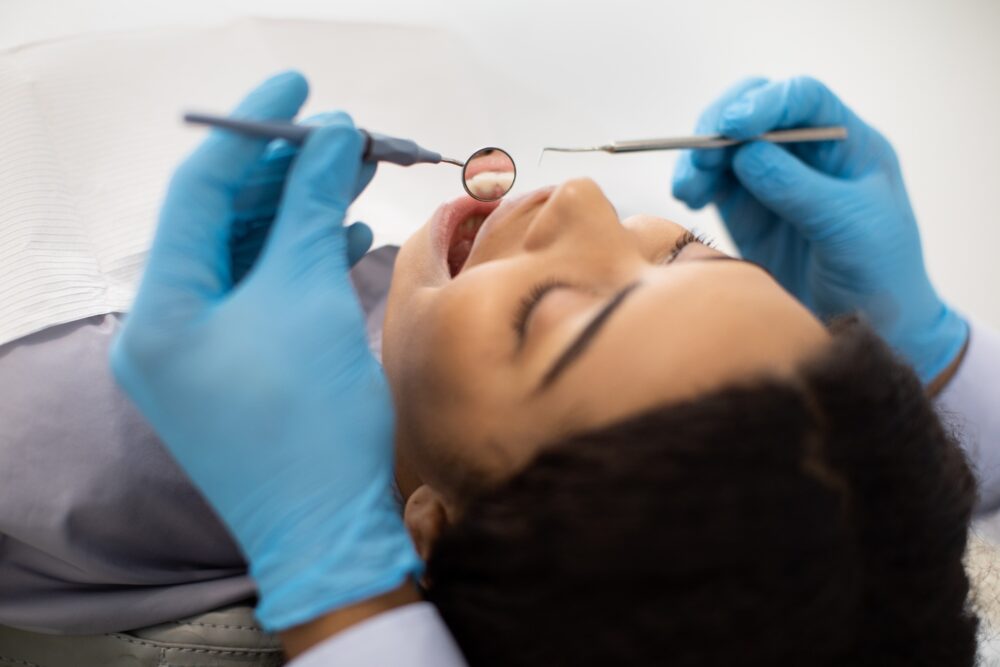
Most oral health problems start quietly. Plaque hardens into tartar, gums get a little inflamed, and early decay develops in places you cannot see in the mirror. By the time you feel pain, the issue is usually already advanced. Professional dental cleanings are the line of defense that keeps those small problems from turning into expensive, time-consuming treatment.
This post breaks down what really happens during a professional cleaning, why you still need them even if you brush and floss well at home, and how consistent visits protect your long-term health.
What Is a Professional Dental Cleaning?
A professional cleaning (prophylaxis) is far more than “just a polish.” At a practice like Twiss Dental in Highlands Ranch, your cleaning is a structured process designed to remove hard deposits, disrupt harmful bacteria, and evaluate the health of your teeth and gums.
A typical visit includes:
- Review of your medical and dental history
- Periodontal (gum) evaluation and charting
- Removal of plaque and tartar above and below the gumline
- Polishing to smooth tooth surfaces
- Professional flossing and rinsing
- Fluoride or other preventive treatments based on your risk
If you want a detailed overview of how this benefits your mouth over time, see the post on professional dental cleanings making a big difference.
Why Brushing and Flossing Are Not Enough
At-home care controls plaque day-to-day, but it has limits. Plaque that sits on the teeth for too long mineralizes into tartar (calculus). Once that hard layer forms, you cannot remove it with a toothbrush or floss.
Tartar creates:
- Rough surfaces that trap more bacteria
- Ongoing irritation of the gums
- Ideal conditions for decay and gum disease
Only professional instruments can safely and completely remove those deposits. Skipping cleanings gives tartar time to accumulate in areas you can’t see, especially between teeth and just below the gumline.
Consistent cleanings support:
- Lower risk of cavities in hard-to-reach areas
- Reduced inflammation and bleeding in the gums
- Fresher breath due to less bacterial buildup
- A smoother, cleaner feel you cannot get at home
For patients with a history of gum problems, pairing cleanings with targeted periodontal treatments is critical to keeping infection under control.
How Professional Cleanings Help Prevent Gum Disease
Gum disease starts with inflammation (gingivitis) and can progress to bone loss (periodontitis) if not addressed. Your hygienist’s work during a cleaning directly interrupts this process.
Key steps that protect your gums:
- Measuring pocket depths around each tooth to detect early disease
- Scaling away tartar deposits that keep inflammation active
- Smoothing root surfaces so bacteria have fewer places to hide
- Applying localized antimicrobials when needed
Early-stage gum disease is often painless. Bleeding when brushing, mild swelling, or bad breath may be the only clues. That is why regular cleanings and exams are essential; they catch issues you would likely ignore until they become serious. If you have noticed bleeding or tenderness, pair this information with what you learned in the previous post about warning signs and use it as a prompt to act.
Why Twice a Year Is the Baseline, Not a Maximum
The standard recommendation of two cleanings per year is a general guideline. Some people need more frequent visits based on their risk factors.
You may need cleanings every three to four months if you have:
- A history of gum disease
- Diabetes or other systemic health conditions
- Dry mouth from medications or medical treatments
- Orthodontic appliances or extensive dental work
- Difficulty with manual dexterity when brushing and flossing
More frequent cleanings:
- Keep gum disease in remission
- Reduce the bacterial load in your mouth
- Lower your risk of sudden dental emergencies
If you are not sure where you stand, reviewing the full spectrum of services at Twiss Dental can help you understand how preventive care fits into the overall approach to your oral health.
What to Expect During a Cleaning at Twiss Dental
A well-run cleaning visit in Highlands Ranch follows a predictable, efficient pattern so you know exactly what is happening and why.
Typical sequence:
- Medical and dental history review
Your team checks for new diagnoses, medications, allergies, and changes that could affect your mouth or your treatment options. - Periodontal assessment
Pocket depths, gum color, and tissue response are measured and recorded. This creates a baseline and helps track changes over time. - Scaling and debridement
Using ultrasonic and hand instruments, your hygienist removes plaque and tartar above and below the gumline. This step directly reduces inflammation and bacterial load. - Polishing and flossing
Polishing removes surface stains and smooths the enamel, making it harder for plaque to stick. Professional flossing clears debris from between teeth and under the gums. - Exam with the dentist
After the cleaning, the dentist evaluates your teeth, gums, bite, and any restorations. Suspicious areas may be monitored, photographed, or treated, depending on what is found. - Personalized recommendations
Based on the findings, you get clear guidance on home care techniques, products, and the ideal interval for your next cleaning.
If you are comparing preventive care to more complex treatments such as implants, you can see how much simpler regular cleanings are compared with the time and investment involved in dental implants for missing teeth.
How Cleanings Support Your Whole-Body Health
Chronic inflammation in the mouth is linked to systemic conditions, including:
- Heart disease and stroke
- Diabetes complications
- Adverse pregnancy outcomes
- Respiratory infections in vulnerable patients
Professional cleanings reduce oral bacteria and inflammation, which supports overall health. Keeping your gums healthy reduces one more source of chronic stress on your immune system.
Signs You Are Overdue for a Cleaning
Certain patterns show that it is time to move your cleaning up on the calendar:
- You notice tartar buildup along the lower front teeth
- Your gums bleed in the same spots regularly
- Your breath is harder to keep fresh
- Teeth feel rough instead of smooth after brushing
- You cannot remember your last professional cleaning
If any of these apply, treat them as objective indicators rather than minor annoyances. Preventive appointments are almost always less costly and less time-consuming than restoring damage later.
Professional Cleanings as the Foundation of Lifelong Oral Health
Restorations, implants, orthodontics, and cosmetic treatments all depend on a stable, healthy foundation. Professional cleanings protect that foundation by controlling bacteria, preserving gum and bone health, and catching problems early.
Viewed over years instead of months, twice-yearly cleanings are one of the most cost-effective health investments you can make. They protect your natural teeth, support your overall health, and reduce the likelihood of urgent, unplanned visits.
Use your last cleaning date as a benchmark. If six months have passed, you are no longer “early”; you are entering the window where silent problems start to grow. Treat your next professional dental cleaning in Highlands Ranch as maintenance for one of your most important assets: a healthy, functional smile.